




Economic Impact
MISSISSIPPI’S ECONOMIC IMPACT
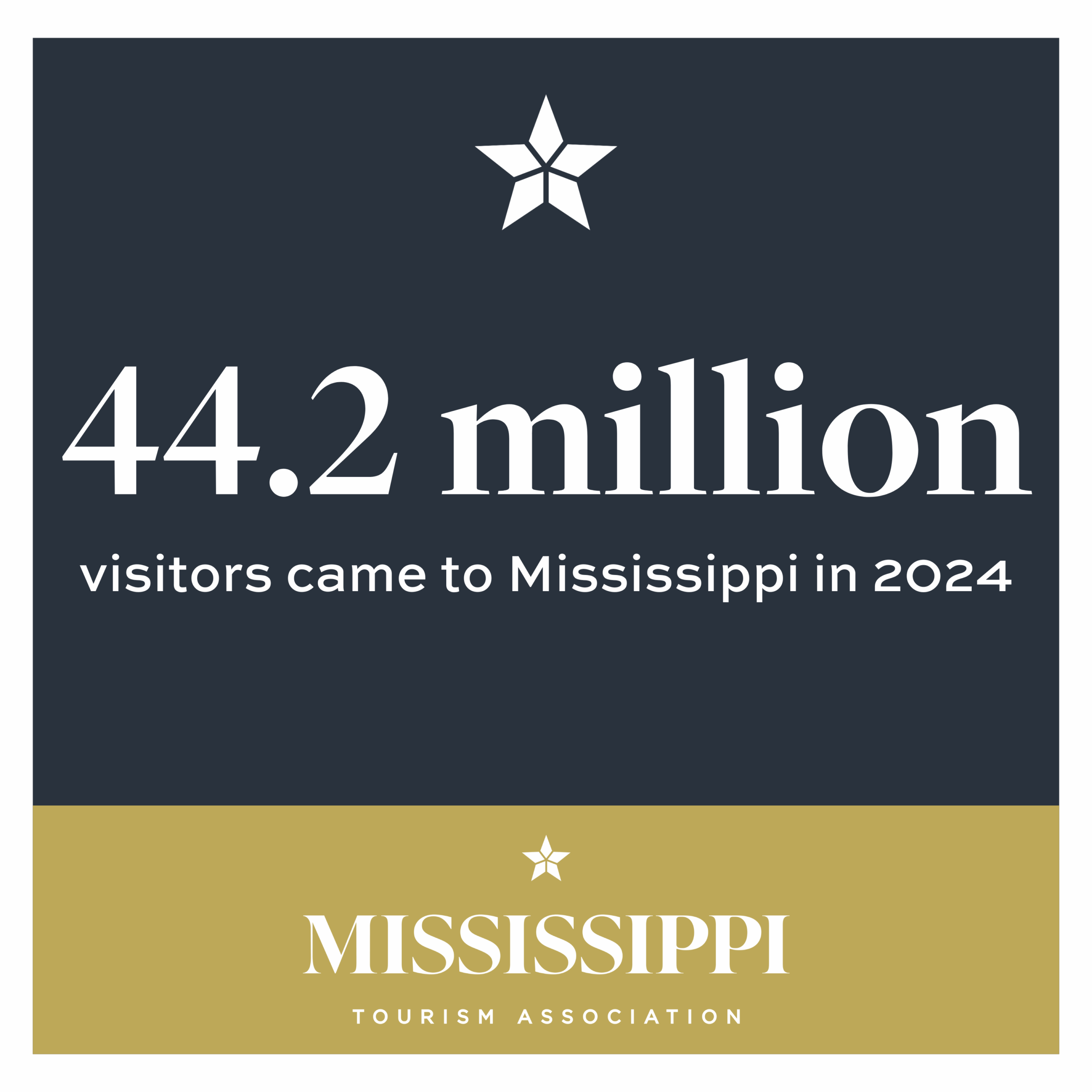
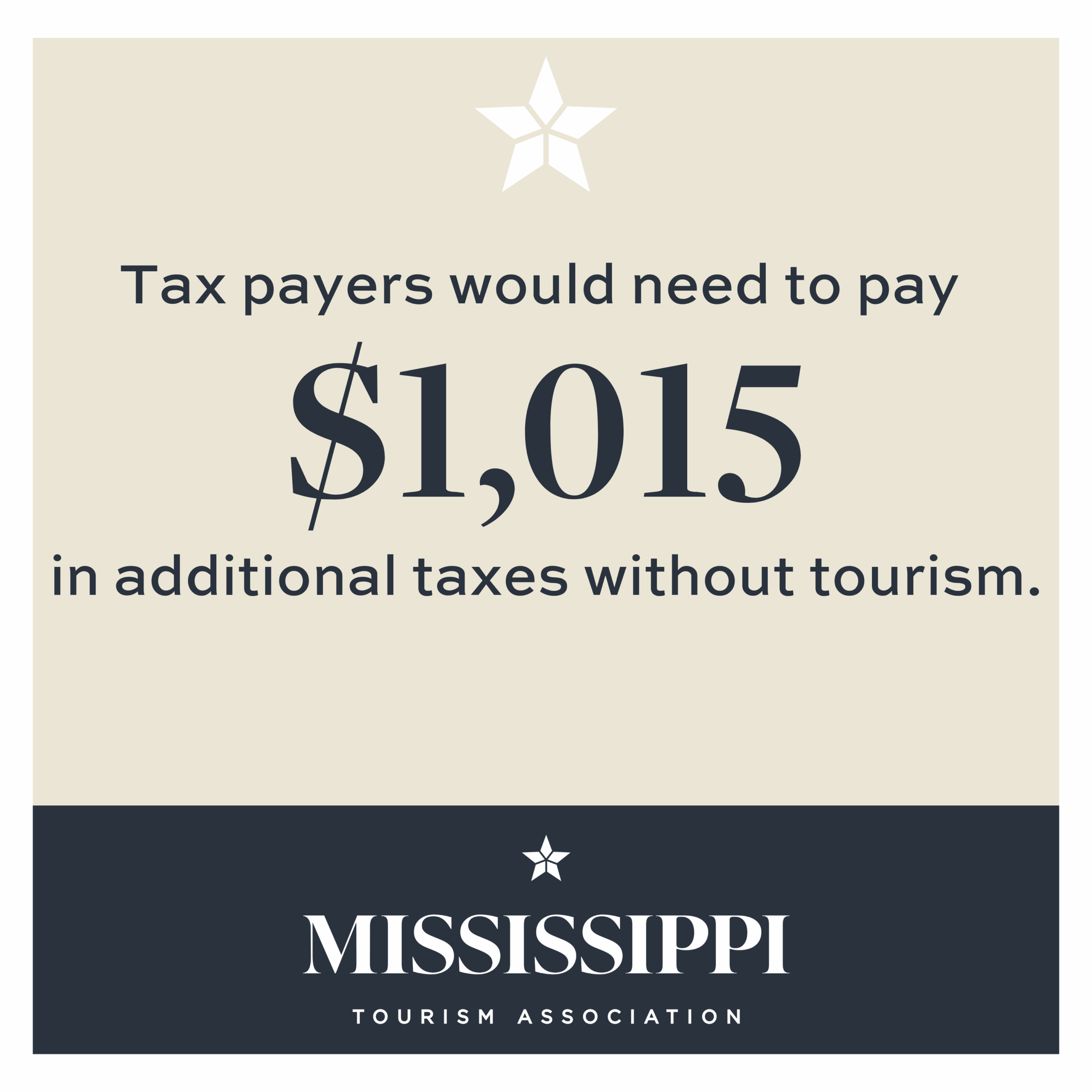
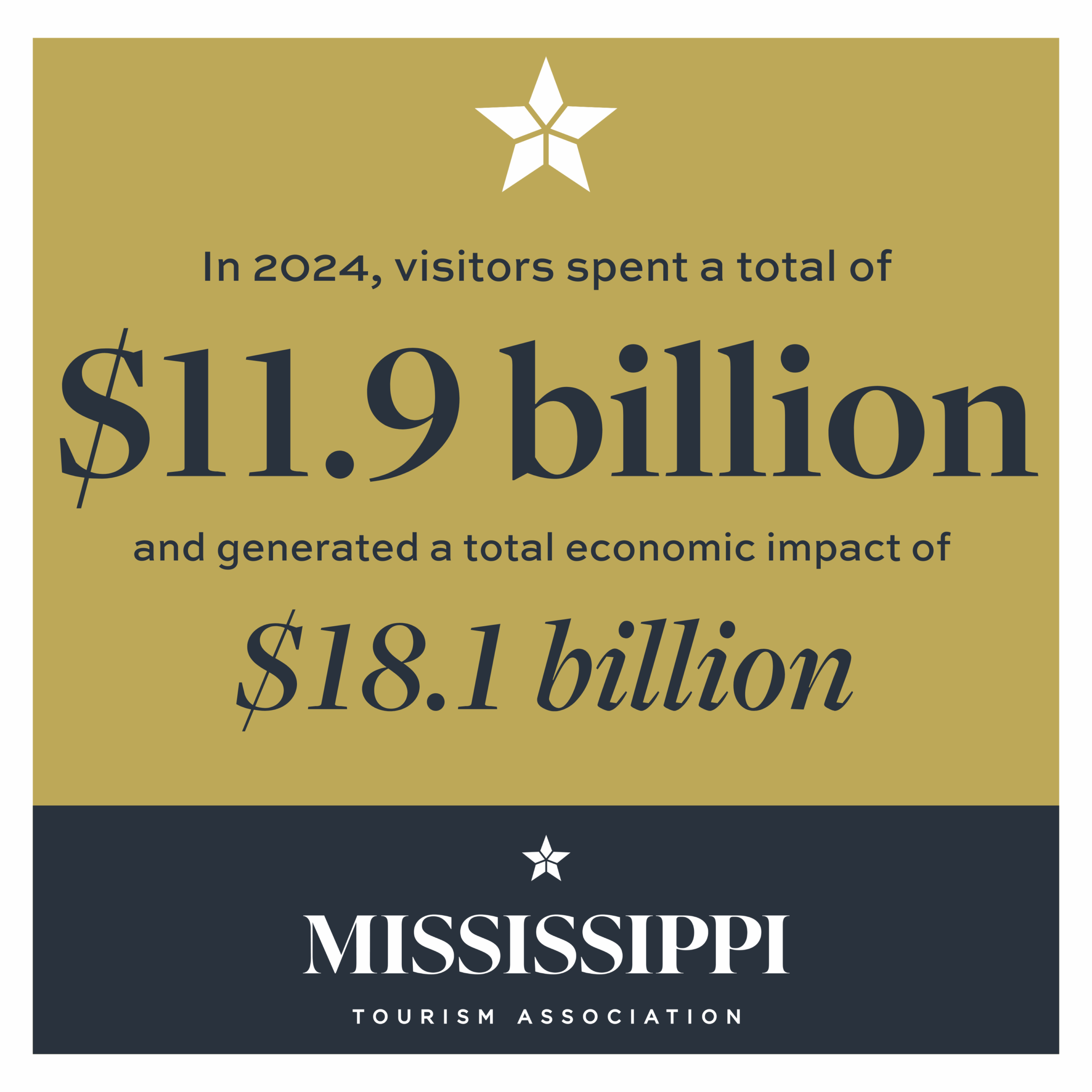
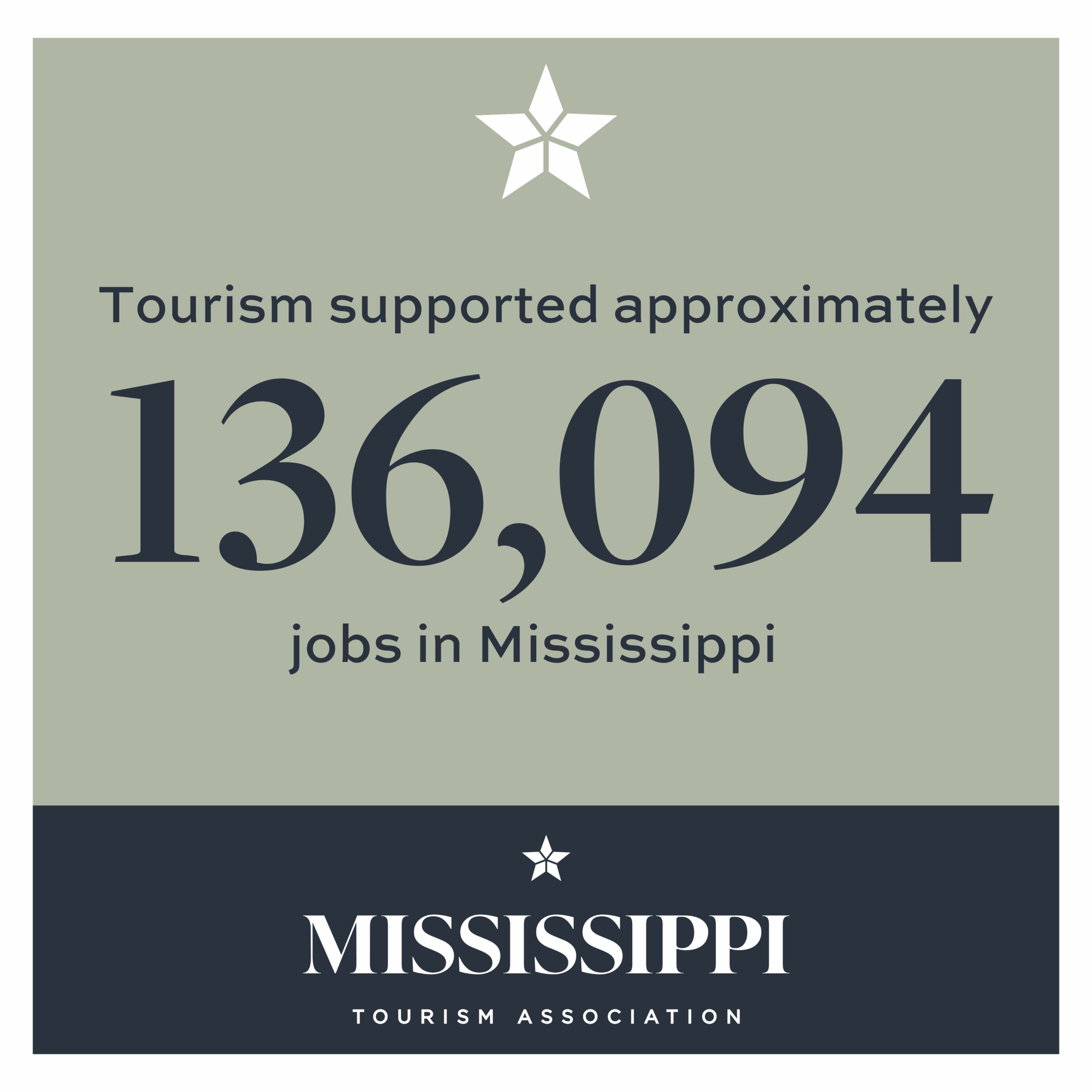
Driving Growth, Creating Opportunities
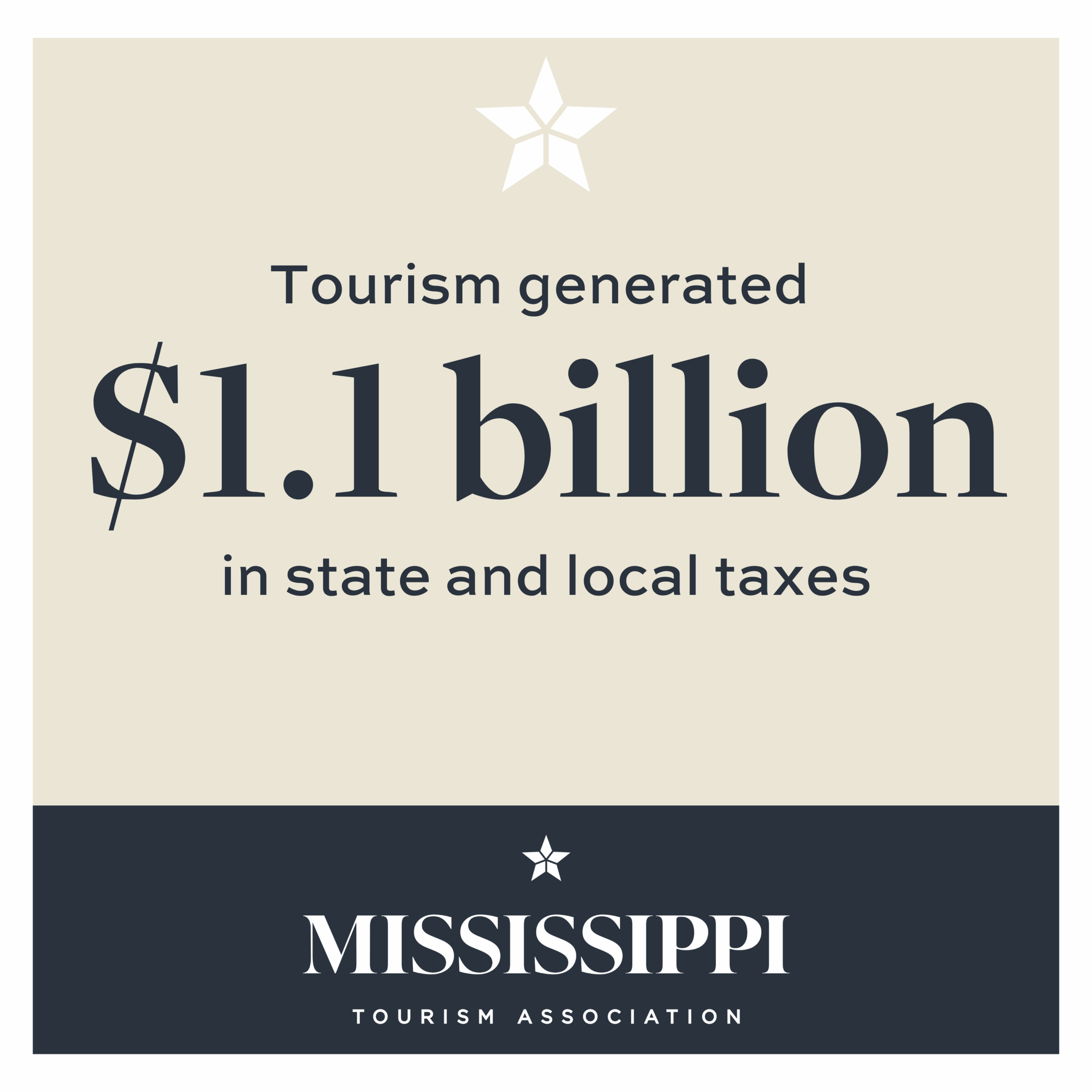
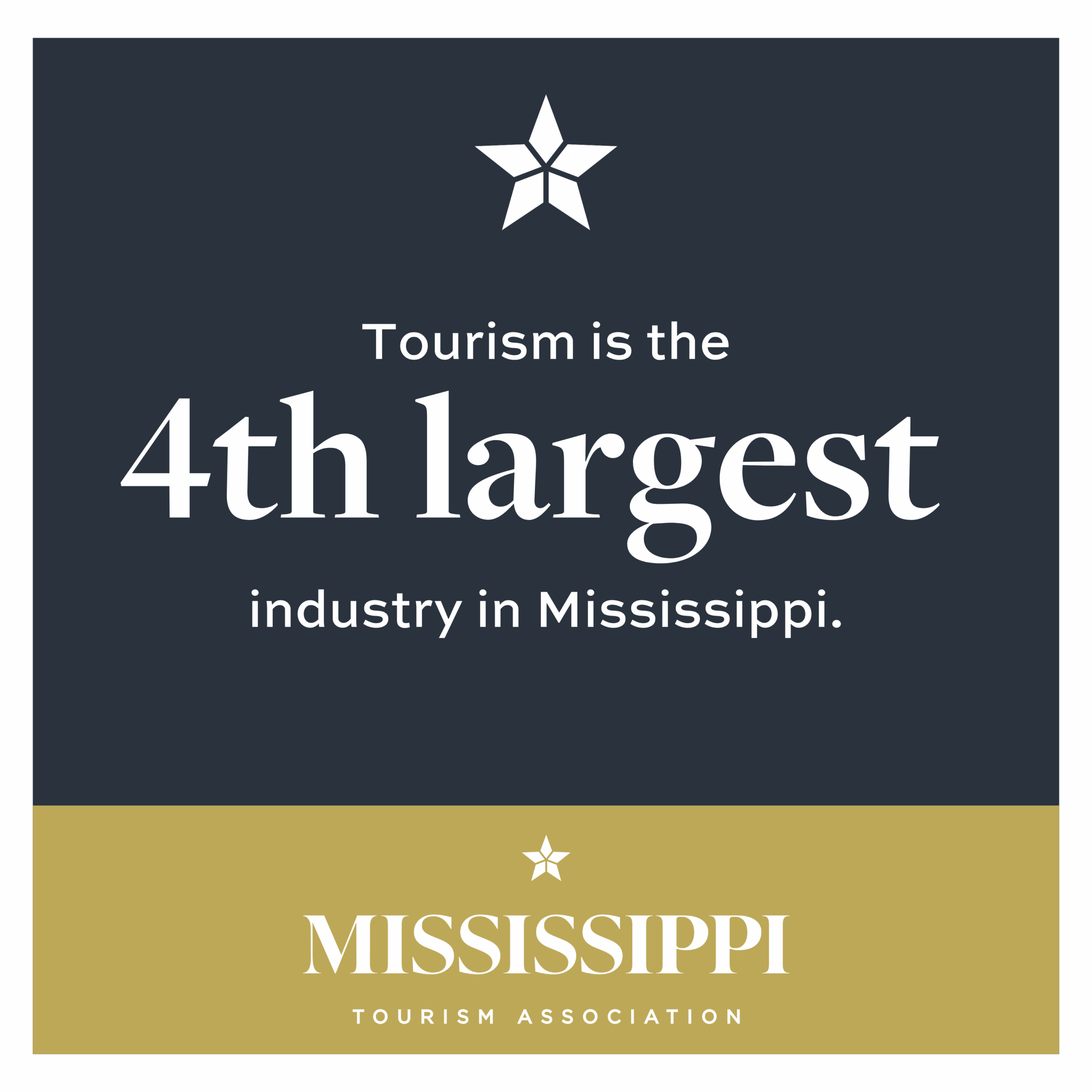
*ALL STATS FROM Visit Mississippi’s 2024 Tourism Economic Contribution Report
County by County Insights
County by County Insights
*NOTE: Tourism Economics utilizes a spending-based approach: we estimate state and county level direct visitor spending and then capture all benefits that result. Spending drives local jobs, income, and tax revenues. We incorporate a variety of data sources – including government, survey, and industry performance data – to generate that estimate. The datasets complement and cross-check each other to ensure we approach the estimates from different angles.
Spending estimates are built up using commercial lodging data (hotels rooms available, hotel rooms sold, and hotel revenues), visitor profile data from visitor surveys, and government economic data (i.e. BLS, BEA, Census Bureau). From the top down, we examine shares by spending category and county, and check levels and changes over time, to ensure that counties add up to the state: the sum of the components must equal the total. This bottom-up and top-down approach provides additional checks and allows us to estimate direct visitor spending in New York in terms of size and trends. Our estimates are checked against government published data on jobs and income by industry at the state and county level.
A “visitor” is defined as someone who stayed overnight or traveled more than 50 miles to the destination, and the visitor economy includes all the economic benefits that are generated by visitor spending. Visitors spend in several key categories, including accommodations, food, recreation, retail, and local transportation. While the visitor economy overlaps in part with the broader leisure and hospitality sector, there are also key differences. Leisure and hospitality include both local and non-local (or visitor) demand. The Leisure and Hospitality sector includes Recreation (NAICS 71), Accommodations NAICS (721), and Food Services (NAICS 722). Nearly all demand in accommodations is non-local, but locals do account for a significant share of spending in recreation and food services. So, while there are similarities between the visitor economy and Leisure and Hospitality, our estimates capture only non-local demand, that is, visitors only.